
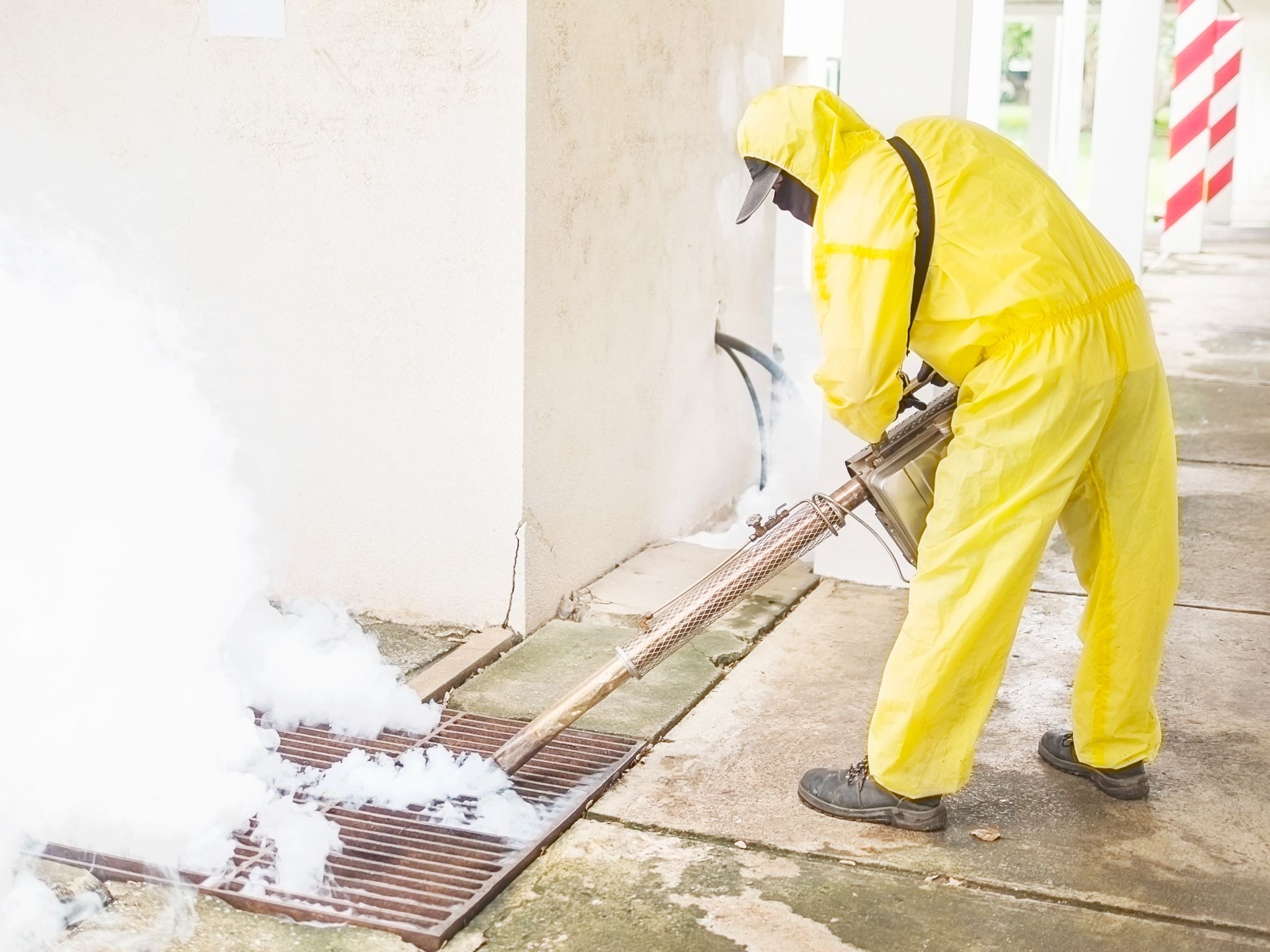
Asbestos abatement is the controlled process of identifying, managing, removing, sealing, or encapsulating asbestos-containing materials (ACMs) in buildings to prevent the release of dangerous microscopic fibers into the air.
Asbestos is a naturally occurring silicate mineral widely used in 20th-century construction, such as insulation, flooring, ceiling tiles, and drywall. When disturbed, these materials release invisible fibers that, if inhaled, can lead to severe health issues like mesothelioma, lung cancer, and asbestosis.
Have you been researching asbestos abatement? If so, you are not alone. In this asbestos abatement guide, we will cover everything you need to know.
Why Asbestos Abatement is Necessary
This is one of the key points to understand about why you need asbestos abatement. Asbestos was widely used in construction before the 1980s for its fire resistance, durability, and insulating properties.
Additionally, intact asbestos-containing materials generally pose low immediate risks because fibers remain trapped within the material. However, when the material degrades or is disturbed by cutting, sanding, or water damage, fibers are released into the air, necessitating effective asbestos abatement.
Common locations for abatement include popcorn ceilings, vermiculite attic insulation, boiler and pipe wraps, roofing shingles, drywall joints, and older floor adhesives.
Core Abatement Methods
Abatement does not mean tearing materials out. Most licensed professionals select the safest approach based on the material’s condition and whether the area will undergo renovation.
However, in the basics of material compliance and renovation, there are major types of abatement, such as complete evaluations, encapsulation, enclosures, and removal.
The Step-by-Step Abatement Process
The professional asbestos abatement contractor adheres to strict regulatory processes, including those set by OSHA and the EPA, to prevent fibers from escaping the work zone. Asbestos abatement typically involves five steps, including inspection, site containment, removal or sealing, hazardous waste disposal, and final cleanup and air clearance.
Certified inspectors collect physical samples of suspected materials for lab analysis, shut down the HVAC system, and seal off the work area. Technicians wear full protective suits and respirators to spray metal with a mild water solution, remove debris, and wipe down all surfaces within the contaminant zone.
Safety Guidelines for Property Owners
If you suspect a building contains asbestos, take immediate precautions to protect everyone inside, such as avoiding sweeping, vacuuming, drilling, or scraping any suspected asbestos debris. Asbestos fibers can be blown back into the air.
Keep family members and pets out of areas with damaged insulation or crumbling ceiling tiles. However, always consult an accredited asbestos inspector and an accredited abatement contractor rather than attempting DIY removal.
Choosing the Right Asbestos Abatement Company
Selecting professional, certified, and experienced asbestos abatement contractors is crucial. Therefore, look for companies with a strong track record, proper licensing, comprehensive resources for the asbestos type being removed, and adherence to safety protocols. However, opt for the contractor that includes comprehensive testing, removal, and disposal of asbestos.
The price is one of the decisive factors when choosing a contractor, but make sure it does not compromise the quality and safety of the workmanship.
Bottom Line
Safe and effective asbestos abatement is crucial for maintaining a healthy environment in buildings that contain asbestos. Understanding its importance, using proper methods, following step-by-step procedures, adhering to safety guidelines, and selecting appropriate contractors for asbestos abatement can help building owners make informed decisions.


