Buying paper towels, tissues, cleaning refills, and other household basics in larger quantities can save shopping trips, but those savings disappear when bulky packages take over closets and floors. Good bulk household storage ideas focus on keeping extras dry, visible, and easy to rotate without making everyday rooms feel like stockrooms.
Separate Daily Supplies From Your Reserve
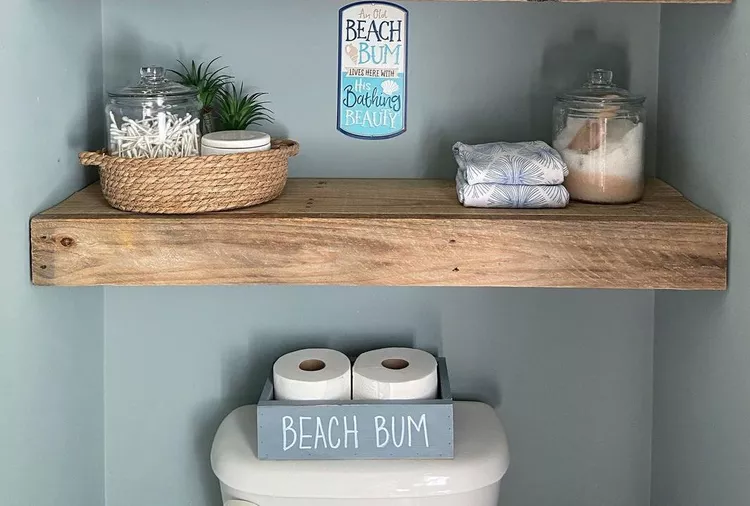
Keep only a practical amount of each product near the place where you use it. A bathroom cabinet might hold a few toilet paper rolls and one tissue box while the unopened reserve stays elsewhere.
This approach prevents small cabinets from becoming overloaded. It also makes inventory easier because unopened packages remain grouped together instead of being scattered throughout the house.
Create a Simple Restocking Point
Choose one shelf, closet section, or cabinet as the main refill zone. Homeowners gathering practical home inspiration can adapt this idea to existing storage rather than buying specialized furniture.
When the everyday supply gets low, move replacements from the reserve area. That simple routine makes it obvious when the household is actually running short.
Use Vertical Space for Lightweight Paper Goods
Paper products are bulky but generally lightweight, which makes upper shelving particularly useful. High closet shelves can hold tissues, paper towels, napkins, or unopened disposable products that don’t need daily access.
Adjustable shelves are helpful because package heights vary. General household organization ideas can also encourage making use of empty vertical gaps rather than stacking everything at floor level.
| Storage Area | Good Candidates | Main Advantage |
|---|---|---|
| Upper shelves | Tissues, towels | Uses empty height |
| Deep cabinets | Cleaning refills | Keeps supplies hidden |
| Bins | Small refill packs | Prevents loose clutter |
| Closet floor | Large packages | Handles bulky stock |
Contain Smaller Refills in Clearly Defined Groups
Dishwasher tablets, trash bags, sponges, wipes, and replacement cleaning products can quickly become messy when individual packages are tossed onto one shelf. Open bins or handled baskets make these smaller products easier to group.
Keep categories broad. One cleaning-refill basket and one kitchen-consumables basket are usually more useful than creating a separate container for every product.
Homeowners exploring organized living spaces can apply the same principle throughout utility rooms, pantries, or laundry areas. The goal is to create boundaries without creating an overly complicated system.
Protect Bulk Supplies From Moisture and Damage
Not every available storage location is suitable for paper goods. Damp basements, garages with moisture problems, and areas close to plumbing leaks can damage cardboard packaging and absorbent products.
If basement or garage storage is necessary, keep products off bare floors. Shelving or raised platforms provide protection against minor water intrusion and make pest inspection easier.
Keep Heavier Liquids Below Paper Products
Cleaning concentrates and liquid refills should generally sit below absorbent paper products. A leaking bottle stored above paper towels can destroy an entire package before anyone notices.
Placing liquids on a washable tray provides another layer of protection. It also makes sticky leaks easier to clean.
Avoid Turning Bulk Buying Into Permanent Clutter
A common mistake is storing more than the household can reasonably consume. A discounted package isn’t useful if it blocks access to other necessities for a year.
Measure the intended storage space before shopping. Treat that physical capacity as the limit rather than continually finding new places to hide overflow.
Also avoid removing every product from its original packaging purely for appearance. Original packages often protect items from dust and make quantities easier to recognize.
Frequently Asked Questions
Where should bulk toilet paper be stored?
A dry linen closet, utility closet, pantry shelf, or clean basement shelf can work well. Keep packages away from damp floors, plumbing leak zones, and locations where moisture or pests may damage the paper.
Should paper towels be removed from plastic packaging?
They can be removed when stored in a clean, dry cabinet, but keeping reserve rolls wrapped offers better protection against dust and moisture. Open only the amount needed for convenient daily access.
How can I tell when household refills are running low?
Keep one dedicated reserve location and check it before shopping. When all unopened stock is visible in one place, you can quickly see which products need replenishment and avoid accidental duplicate purchases.
Make Restocking Easier to Maintain
The strongest storage system is one the household can use without thinking about it. Give bulk supplies a defined capacity, keep daily products separate from reserves, and place each category where it can be reached safely. Once refilling becomes a short routine instead of a search through several rooms, buying household basics in quantity becomes far easier to manage.