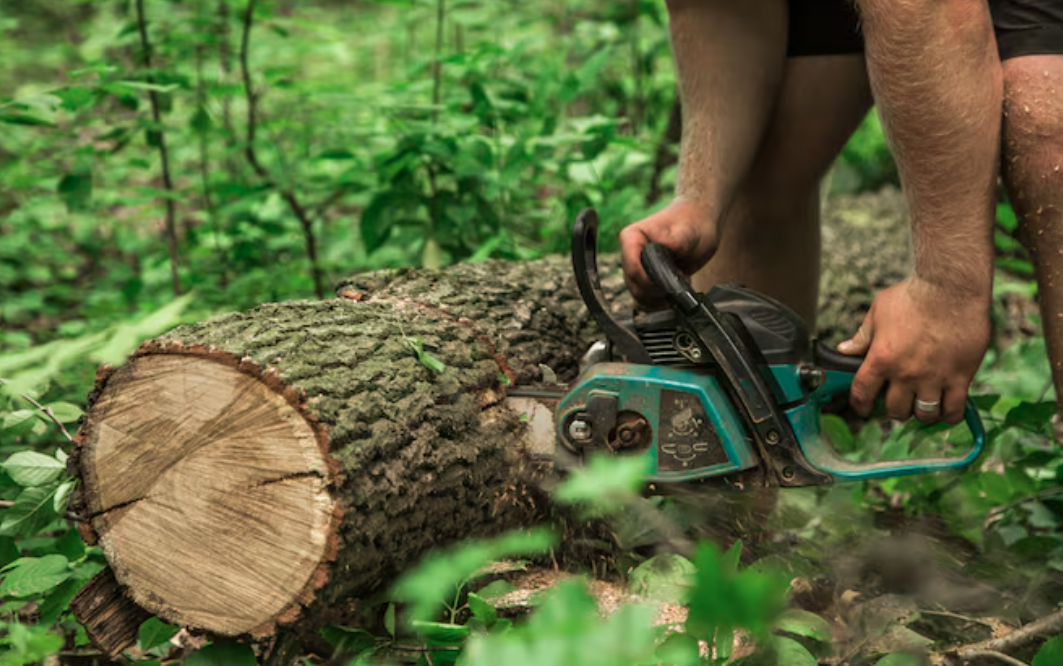
The removal of a decaying or compromised tree is often an essential step in maintaining the safety and visual appeal of a residential or commercial landscape. However, property owners frequently overlook the remaining subterranean and surface remnants after the main trunk has been felled.
Leaving a remnant protruding from the ground introduces numerous long-term liabilities, including pest infestations and physical tripping hazards.
Utilizing specialized tree stump grinding represents the most efficient, ecologically sound, and permanent method for restoring the integrity, functionality, and aesthetic value of your outdoor environment.
Immediate Restoration of Landscape Aesthetics and Spatial Optimization
An unmanaged wooden remnant can significantly diminish the visual harmony of an otherwise meticulously manicured lawn or garden. These weathered obstacles disrupt the clean lines of your landscape design and can lower overall property valuation.
By employing professional tree stump grinding, property owners can instantly reclaim valuable outdoor space that was previously unusable.
The process effectively pulverizes the remaining timber into fine mulch, creating a smooth, level surface that allows for the seamless installation of fresh turf, vibrant flowerbeds, or functional hardscaping elements.
Elimination of Severe Physical Hazards and Liability Concerns
Protruding timber remnants pose a continuous safety threat to anyone navigating the outdoor property, especially young children and elderly individuals who may not notice the low-profile obstacle.
For commercial properties, these structural obstructions represent a significant legal liability if a visitor sustains an injury on the premises. Furthermore, hitting hidden roots or solid wood with lawnmowers can cause catastrophic and expensive damage to your landscaping equipment.
Mechanical tree stump grinding mitigates these operational risks entirely by reducing the wood to well below the ground surface level.
Preventing Destructive Insect Infestations and Fungal Diseases
As a dead wooden remnant slowly decays over several years, it becomes a highly attractive nesting ground for a variety of wood-boring pests.
Termites, carpenter ants, and beetles frequently colonize these damp subterranean structures, establishing large populations that can eventually migrate toward your primary residence or commercial buildings.
Additionally, decaying timber is highly susceptible to harmful fungal growth, which poses a direct biological disease threat to adjacent healthy flora. Eliminating the nesting site through specialized machinery protects the wider ecosystem from these destructive biological threats.
Stopping Unwanted Root Sprouting and Secondary Growth
Simply cutting a tree down to ground level does not guarantee that the subterranean root system has ceased all biological activity. Many resilient species will aggressively attempt to regenerate by sending up unsightly sprouts and suckers around the perimeter of the old trunk.
These persistent secondary shoots continuously steal vital nutrients and moisture from nearby grass and ornamental plants.
Investing in thorough tree stump grinding ensures that the main growth center is entirely disrupted, effectively halting any future sprouting behavior and permanently neutralizing the root network.
Production of High Quality Organic Mulch for Gardening
The mechanical pulverization process yields a substantial volume of nutrient-rich wood chips and fine sawdust mixed with regional soil. Instead of creating waste that must be transported to a landfill, this byproduct serves as an exceptional organic mulch for your remaining garden beds.
This natural mulch helps retain essential soil moisture, regulates subterranean root temperatures, and naturally suppresses weed growth around your valuable plants.
Utilizing this byproduct allows property owners to engage in sustainable, zero-waste landscaping practices that actively enrich the local topsoil.